Everyone is trying to accomplish something big but do NOT realize that life is made of little things and by spending an extra three minutes a day on an easy activity, you will create jobs, decrease carbon consumption, reduce pollution, and save energy.
Goal
Indlovu Sebenza has a clear goal “It's the future for responsible resource management and an important step towards building a Zero Waste Community in Dullstroom and the broader Emakhazeni,
Using just one Indlovu Sebenza collection bin for all your recyclable items increases the ease and convenience of recycling so that more people participate and more resources are saved. We’re making recycling easier for you at home and as a bonus the most affordable recycling collection service in the region.
 Our hassle free household pick up and separation service is exactly what people are looking for to contribute to making our towns a more Green and Eco-friendly Sustainable Environment.
Indlovu Sebenza Recycling is in complete alignment with Emakhazeni Local Municipality's endeavors to keep the region and environment clean and tidy. Indlovu Sebenza Recycling is a key Green Initiative.
Recycling for your average suburban household in South Africa is a bit of a schlep: the infrastructure for collecting recyclable material isn't really in place in most rural areas.
Households generally have to separate their rubbish and take the recyclables to a municipal drop-off centre or a collection centre because there's not much in the way of kerbside collection. Many people just cant be bothered. But, there are also many people out there who would recycle if they knew how to. Indlovu Sebenza aim is to help you get started.
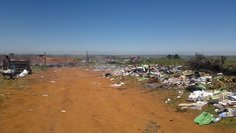
For us to recovering material from dustbins and landfill sites not ideal, firstly from the point of view of the health and safety of our recyclers but also because the recyclable material is contaminated with other waste.
First prize would be if households sorted their waste, so that “uncontaminated” recyclable material could reach Indlovu Sebenza’s Recycling centre in Dullstroom.
WHY SHOULD YOU RECYCLE
Firstly, the Earth's resources are not infinite so we shouldn't waste them and you know that sign that reads “Leave this place in the same condition as you'd like to find it”... Well, the same applies to the planet.
More specifically, the government wants to reduce the amount of plastic, cans, paper and glass going to landfills by 70 percent in the next decade or so. To meet that target, households need to stop simply throwing away rubbish and start implementing the four Rs’: Reduce, Reuse, Recycle & Respect
WHAT CAN BE RECYCLED?
Your goods for recycling should also be rinsed out before they can be recycled
1. METAL
Beverage cans in South Africa, providing a source of income to more than 37 000 people. Metals are used to make new products of the same quality – conserving irreplaceable natural resources.
Recycling tins and cans saves about 95% of the energy needed to make a new can from iron ore. There is a huge demand for all steel scrap metals worldwide. South Africa exports up to 50% of the scrap that it recovers.
It does not matter if cans are crushed, rusted or burnt – they can all be recycled.
Cold drink and beer cans
- Food tins
- Metal lids of glass jars
- Aluminum cans (eg, Red Bull), foil and foil packaging
- Paint, oil and aerosol cans (leave labels on them so recyclers can see whether they contain hazardous material).
- Rusty cans can be recycled
2. GLASS
Recycling a glass bottle saves enough electricity to light a 100 W bulb for four hours.
For every ton of glass recycled, 1,2 tons of raw materials and 114 liters of oil energy are saved
It is important to remove bottle tops and corks from glass bottles and containers.
Certain glass products cannot be recycled. It is important to note the list below as any of these items in a glass recycling bank could ruin the whole batch of glass.
We recycle:
- Beverage bottles
- Food jars such as tomato sauce, jam and mayonnaise bottles
- The following CANNOT be recycled
- Light bulbs – ordinary and energy-saving compact fluorescent lights (CFLs) – and fluorescent tubes.
NB: CFLs and fluorescent tubes should not be thrown away with ordinary rubbish. They contain mercury, a toxin that can leach into the soil and groundwater if not disposed of properly. Place your old CFLs in a sealed plastic bag before you throw them in the bin.
3. CARDBOARD & PAPER
Cardboard and paper are excellent materials for recycling. For every ton of paper recycled, 17 trees are saved, 40% less energy and 30% less water is needed to make paper.
Recyclable materials are:
- White office paper
- Magazines and books (as long as nothing is laminated)
- Newspaper
- Cardboard (boxes and cereal boxes).
The following CANNOT be recycled:
- Laminated or waxy paper
- Punch confetti
- Carbon paper
- Stickers·
- Self-adhesive paper (post-it notes)
- Chemically-treated fax or photographic paper
- · Dog food bags, potato bags, wax-coated boxes
4. PLASTICS
Plastics are made from oil, a non-renewable resource, and much of the plastic packaging we use every day is recyclable. Ice cream and milk containers, fabric softener bottles, plastic bags and even cling-wrap can all be recycled.
The easiest way to determine whether a plastic product is recyclable is by looking for its recycling logo. There are seven plastic recycling logos and most plastic packaging is imprinted with one of them. The logos tell you what type of plastic a container is made of. Each type has to be recycled separately.
Get acquainted with the following acronyms:
PET: polyethylene terephthalate
HDPE: high-density polyethylene
LDPE: low-density polyethylene
PP: polypropylene
Currently you cannot recycle:
- · multi-laminated plastic foils (for food packaging such as bacon)
- · polystyrene food trays
If you choose not to buy products with packaging that cannot be recycled you will send a strong message to the manufacturers to design and package their products in a more environment-friendly way.
5. TETRAPAK
Fruit juice and milk containers look like they're made out of paper, but they are lined with aluminum foil and plastic so they must be recycled separately.
6. BATTERIES
Disposable batteries are not recycled – this is apparently because the material recovery rate is too small to make recycling economically viable. But they should not be thrown away with ordinary household waste either, because they contain toxic chemicals that can leach into the soil and groundwater.
Rechargeable batteries, on the other hand, are recyclable. Add to this the fact that they last a lot longer than ordinary batteries and you have a compelling argument to buy rechargeable from now on.
7. eWaste
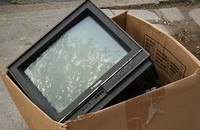
Electrical & electronic equipment such as TVs, computers, cell phones and household appliances. Computers are one of the messiest contributors to the environment. They give off carcinogens and toxic waste, and going the extra mile to recycle them
8. Oil
 One litre of oil can form an oil slick on water bigger than two soccer felds. Never pour antifreeze, oil or other chemicals onto the ground, into stormwater sewers or down the drain.
Most garages participate in oil recycling programmes. If you service your car at home, return the used oil to one of our collection centres
9. OTHER
You CANNOT recycle
- Pyrex
- Ceramics (plates)
Contact us to find out how you can get involved






 The Spirit of Private EnterpriseWe were formed with the objective of becoming a major participant in the creative manufacturing industry and inspiring our communities to protect the environment |
Indlovu Sebenza